Manufacturing and trade

A sector in which the margin is made in the process, not in the price list.

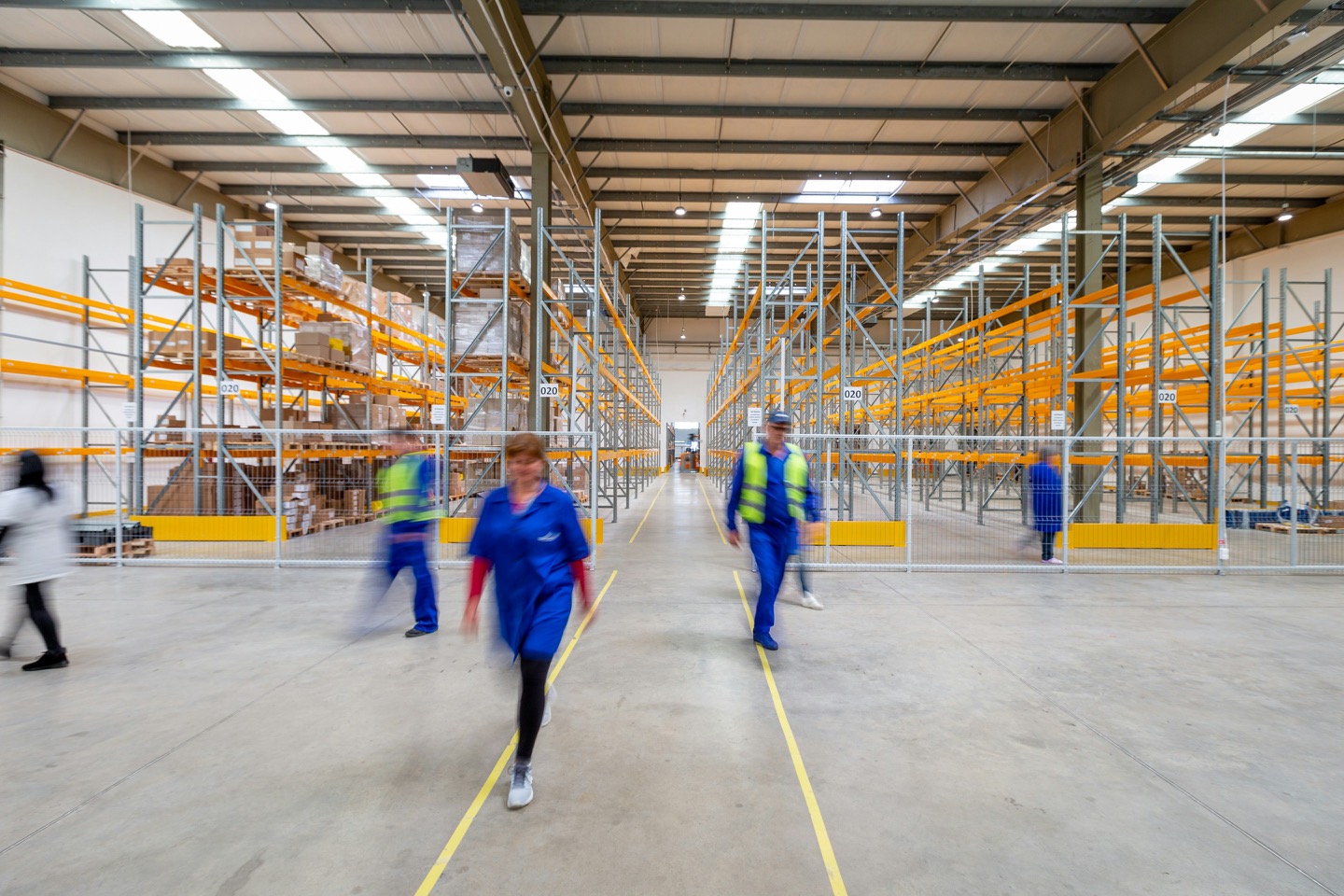
Workers in hi-vis vests walk down an aisle of a high-bay warehouse

In manufacturing and trade the IT system follows the physical process, not the other way round. Goods are on the shop floor, in the warehouse or in a container before their status reaches the system, and the purchase is decided long before anyone knows what they will sell for. The challenges described below are a picture of this situation, not a list of things we have already solved in it.

Our own projects in this sector are an ERP system with risk analysis for container trade and an intranet with company knowledge management. We show both below.

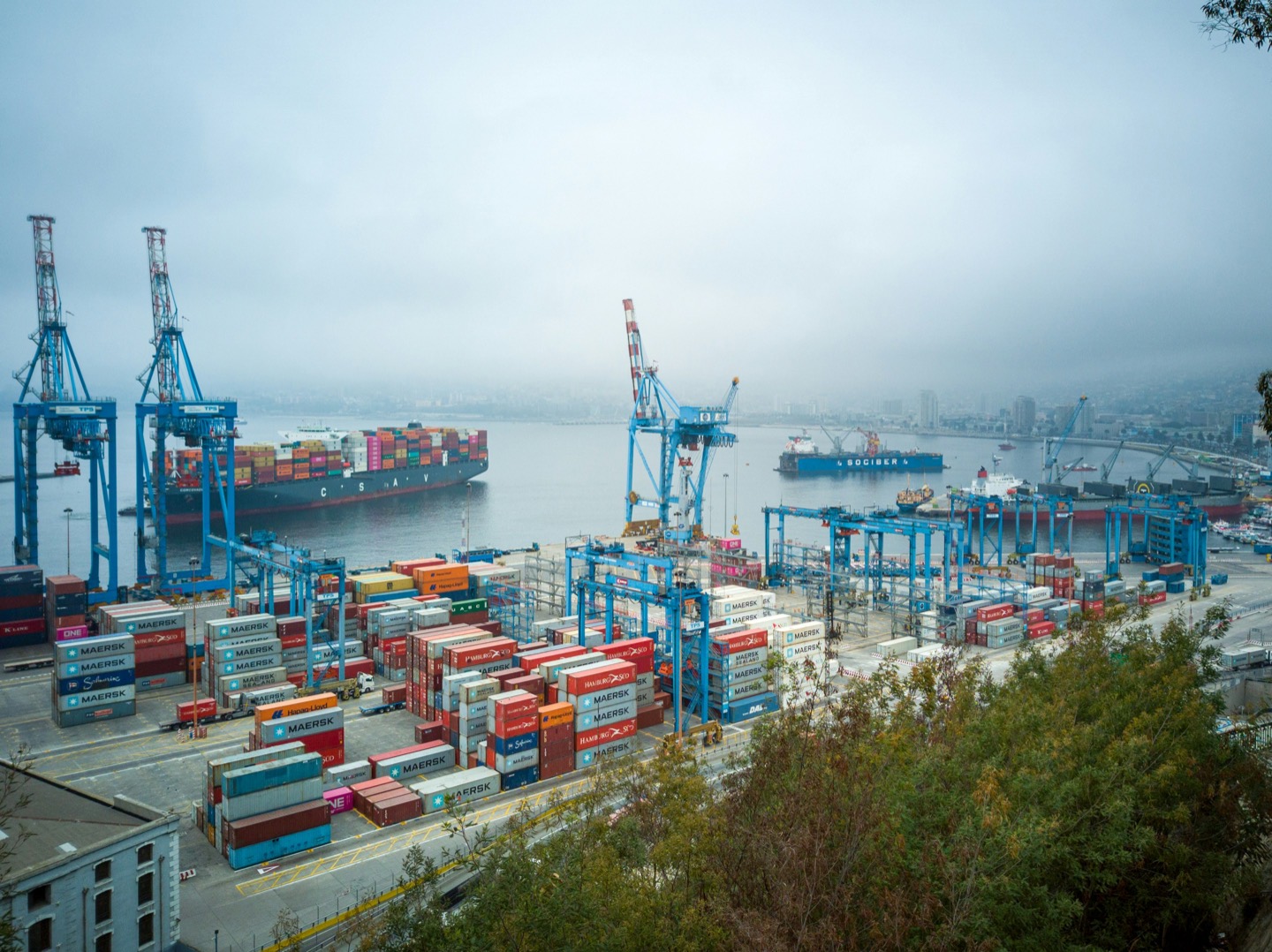
A container terminal with cranes and a ship

Key challenges of the sector

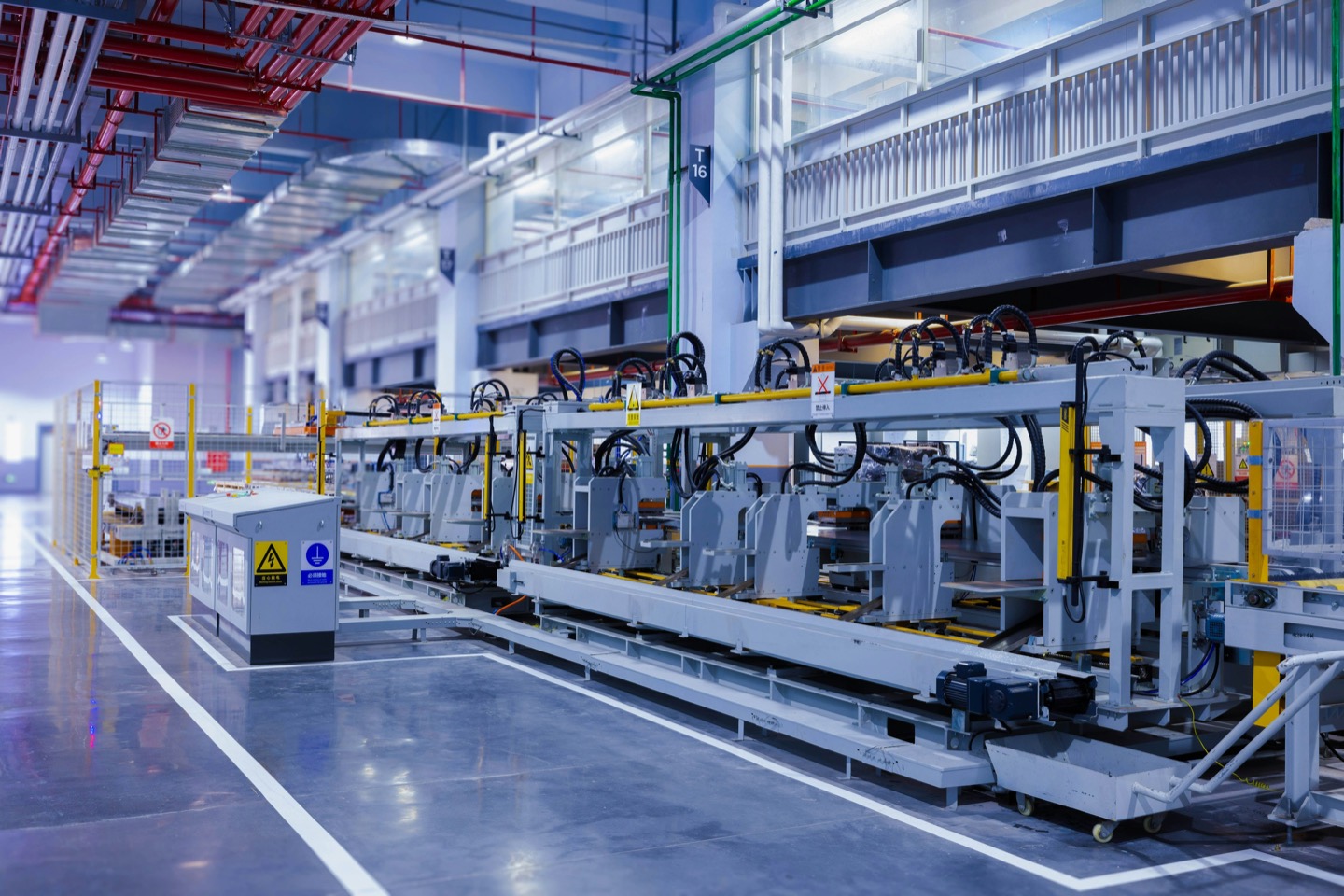
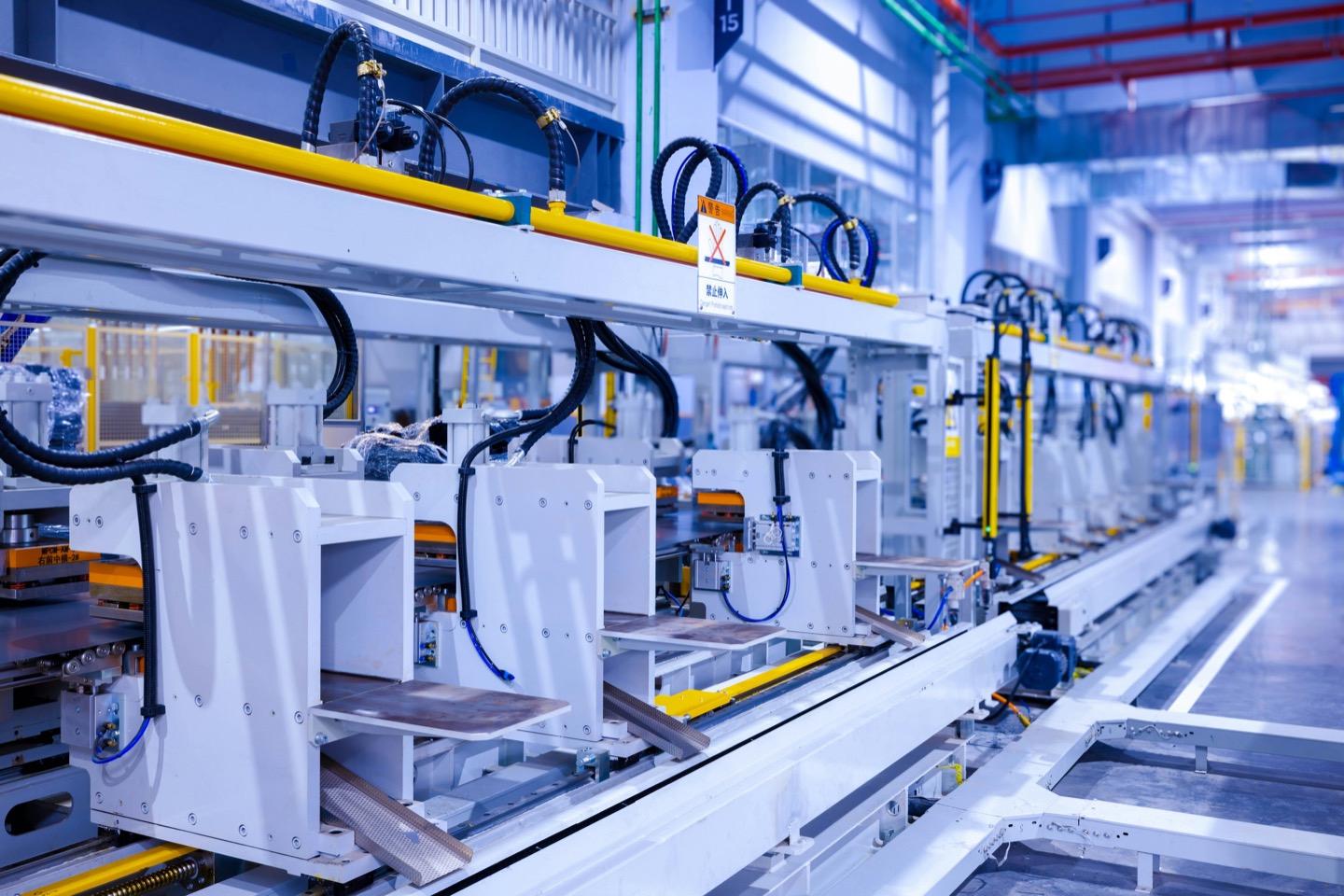
A production hall with a row of machines

The physical process does not wait for the system

The line, the warehouse and dispatch do not stop for the implementation, and if there is a shutdown at all, it is short and planned around maintenance, not around the system. A new system therefore starts on live warehouse stock, and the first stocktake after go-live shows whether it agrees with the shelf or with the project assumptions.
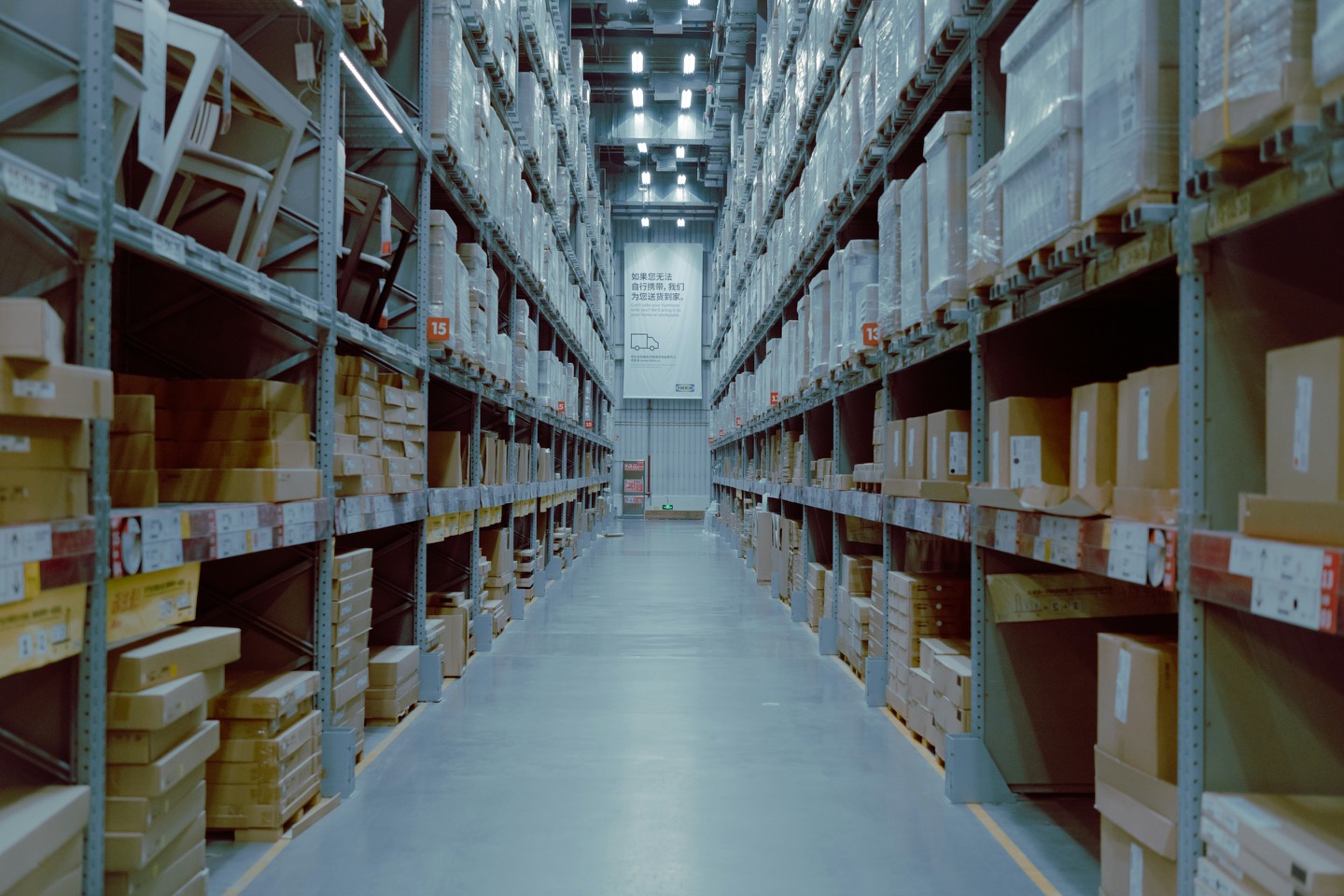
A warehouse aisle between racks of pallets

The same batch in several systems

ERP, the warehouse system, production control and the spreadsheets kept alongside them. Each of them can show a different stock level for the same batch. Reconciling them is the constant work of people, not a one-off implementation, and the answer to the question ‘how much of this do we have’ depends on who is asked.

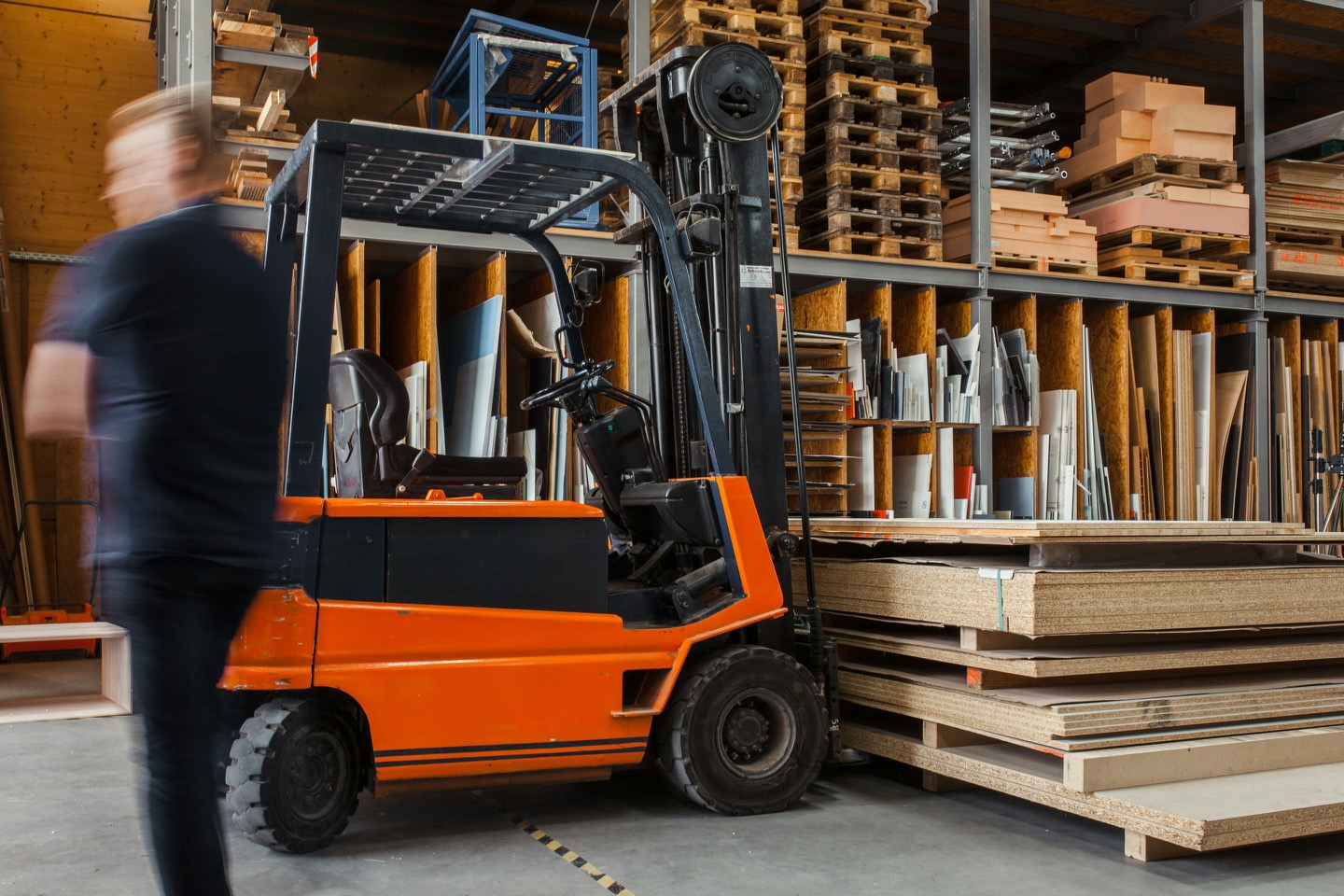
A forklift with a pallet in a warehouse

Risk grows between the order and the delivery

The order with the supplier is placed long before the sale, and in the meantime the exchange rate, freight and demand change. The margin is known only after the fact, and the decision on the next batch is made before the previous one is closed.

A large machine in a production hall

The exchange format is dictated by the customer

The retail chain or the corporation the goods are made for imposes its own format for orders, labels, advance shipping notices and invoices. Every major customer is a separate integration on its terms, and an error on a label can stop a delivery just as a shortage of goods can.

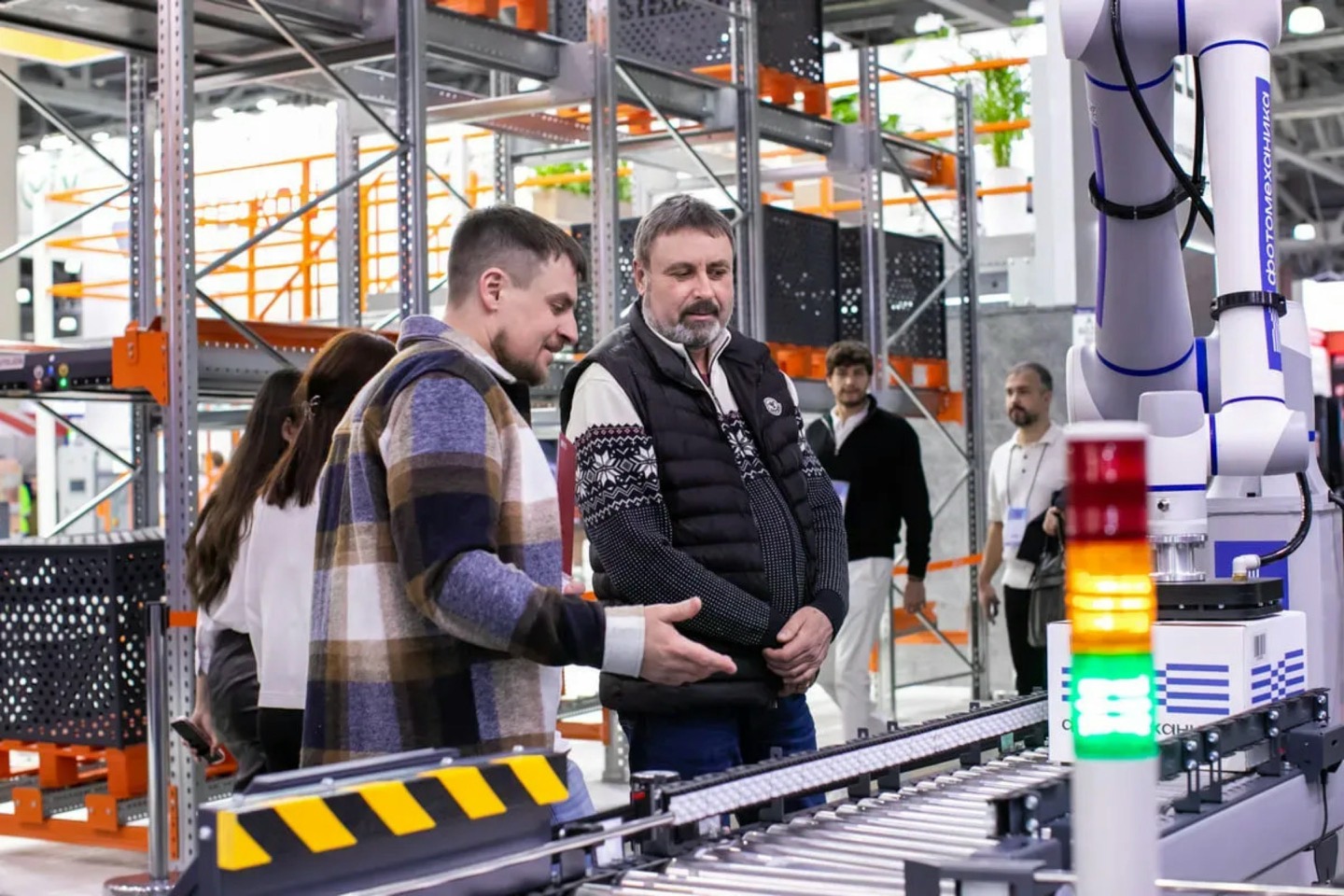
Two men watch an automated conveyor

Knowledge of the process stays in people

The machine settings for a particular product, the terms negotiated with suppliers and the exceptions to the procedure are known to the foreman, the buyer and the accountant, not to the system. When one of them leaves, the company loses a piece of the process that was never written down, and reconstructs it by trial and error.

How we help

Diagnosis before investment

We start with an as-is audit: what actually works, where the data sits and what it costs to keep the current state running. The result is a roadmap with an order of magnitude for the budget, not a presentation about transformation. The conversation starts with what can be postponed or simplified, not only with what is worth buying.

Technology advisory

Integration of disparate systems

Billing, asset registers, spatial systems and control systems rarely talk to each other without an intermediate layer. We build integrations and operational portals that bring these sources together into a single picture for the operations team. We design the integration layer so that it can be maintained without us.

Systems delivery

Artificial intelligence over the company's knowledge

Language models over a base of regulations, documentation and ticket history, with control over the sources and a trail showing where each answer came from. This is how we work today for a large energy group. A model that cannot be checked and justified does not enter the production process.

Data and artificial intelligence

Compliance built into the system

KSC audit preparation, SZBI development and internal regulations, carried out together with the technical team. Requirements go into the backlog as acceptance criteria, not into a separate document. The audit trail is created while the system runs, not reconstructed after the fact.

Compliance and risk

Cloud or an in-house server room

Some data cannot leave the client's infrastructure, and that is the starting point, not an exception. We design the architecture so that the data stays where the regulation requires: within the European Union or in the client's infrastructure. The same code and the same release process, regardless of the target environment.

Cloud and infrastructure

Our track record in this sector

From this sector

Work for clients in this industry.

Intranet and corporate knowledge management

A manufacturing and trading company has one place for knowledge, documents and internal communication.

Manufacturing and tradeSystems and integrations

ERP and risk analysis in container trade

A trading company assesses the risk of container transactions in the same system it runs its business on.

Manufacturing and tradeSystems and integrationsAutomation and artificial intelligence

Track record from other industries

Capabilities we bring here

Work from other sectors where the substance is technology, not the domain. Each carries the sector it comes from.

OriginBanking, finance and debt collection

ERP, CRM, OCR and debt collection automation

A debt collection company handles cases automatically: the system recognises documents and links data from ERP and CRM.

Systems and integrationsAutomation and artificial intelligence

OriginPublic sector

JIRA customisation and automation of HR, IT and legal processes

A public institution runs HR, IT and legal matters in one tool tailored to the way it works.

Systems and integrations

OriginTelecommunications

Refactoring of infrastructure monitoring for scalability

A US internet provider monitors its infrastructure with a system that keeps up with the network’s growth.

Systems and integrationsCloud and infrastructure

OriginBanking, finance and debt collection

Consolidation of customer and campaign data

A European financial institution sees customer and campaign data in one place instead of many sources.

Automation and artificial intelligence

OriginBanking, finance and debt collection

Global JIRA implementation and standardisation across a group of companies

The companies of a multi-industry banking group work in one tool to one standard, rather than each in its own way.

Technology advisorySystems and integrations

OriginNo industry assigned

Real-time telemetry and network ETL

A US cloud and security company analyses network traffic as it happens, not after a delay.

Automation and artificial intelligenceCloud and infrastructure

OriginNo industry assigned

Migration and automation of a workflow system in Azure

A European company runs its case workflow in the Azure cloud, and operating the system no longer takes manual work.

Cloud and infrastructureSystems and integrations

OriginBanking, finance and debt collection

DevOps and CI/CD automation for a web application

A European bank releases application changes automatically, without building and publishing versions by hand.

Cloud and infrastructureSystems and integrations

All work from this sector

How we start

  1. A conversation about the problem

    You describe the process or system that no longer keeps up and what has to change. The conversation costs nothing.

  2. Analysis under an NDA

    We examine the process and the systems and hand over a recommendation with a scope of work. You know the scope, deadline and price of the analysis before it starts.

  3. Offer

    You receive the scope, team, schedule and price of the implementation. You decide whether we go ahead.

The cost of the analysis is credited towards the implementation if you order it.

Let's talk about your project

Phone: +48 455 406 404 E-mail: contact@aliaxit.com

© 2026 ALIAX IT sp. z o.o. · ul. Boczna 28, 64-115 Wilkowice · KRS 0001102190 · NIP 6972399808 Privacy policy ·